Compliance failures in the external workforce are no longer minor administrative errors — they are multimillion-euro risks. Nike faced in 2023 potential exposure of over USD100 million in Belgium and USD76 million in the Netherlands due to contractor misclassification, while PostNL Belgium in 2024 saw prosecutors propose a €24 million fine following depot raids and criminal investigations.
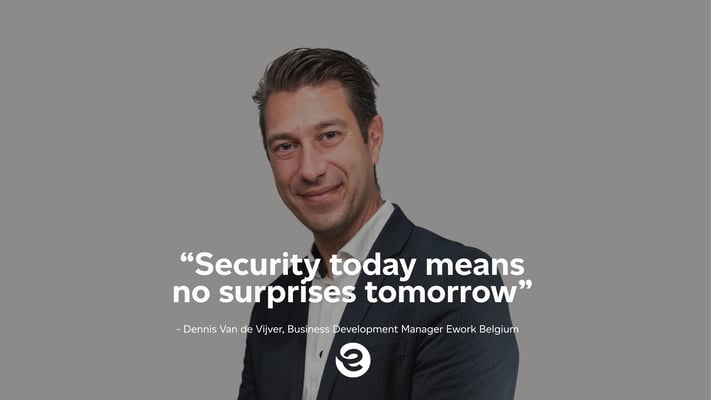
We interviewed Dennis Van de Vijver, Business Development Manager at Ework Belgium, about how to avoid financial, legal, and reputational crises.
1. Belgium has recently seen major misclassification cases involving global brands. What does this tell us about the current compliance landscape?
It tells us that compliance is no longer a theoretical risk, it’s very real and very expensive. Belgium has very strict labour law frameworks, especially when it comes to temporary work, freelancer classification, and the prohibition of illegal transfer of employer authority. When companies blur the lines between contractor and employee, the financial consequences can be massive.
What makes recent cases so striking is not just the size of the fines, but the fact that these were large, sophisticated international organizations. It shows that no company is immune if governance is not airtight.
2. Why is misclassification such a big issue right now?
Because the way companies use external talent has changed dramatically. Organizations today work with blended workforce models: freelancers, subcontractors, project-based consultants, Statement of Work engagements, international contractors, all under different legal frameworks. The risk arises when operational reality doesn’t match the contract structure. For example, a company is allowed to define the services they are expecting from the freelancer to deliver (deliverables), by when the company expects this in terms of deadlines and quality and/or functional requirements of the deliverables. But legally the company cannot instruct the freelancer how the freelancer organizes his work, continuously supervise his work or fully integrate the freelancer in the organization. Authorities are particularly focused on preventing false self-employment and illegal worker leasing. And enforcement is increasing.
3. What are the most common mistakes companies make, and how can they avoid them?
The most common mistakes are surprisingly practical:
- Treating freelancers like internal staff
- Using the wrong contract type for the actual work performed
- Giving instructions that imply employer authority
- Drafting vague Statements of Work without clear deliverables
Avoiding these risks requires a few key steps:
First, clearly understand the differences between contract types.
Second, align day-to-day supervision with the legal framework.
Third, centralize governance instead of letting each department manage contractors independently. Compliance is often not a legal failure, it’s an operational one.
4. How does Ework help clients reduce compliance risks?
We act as a structured compliance partner. That means ensuring correct classification from the start, using contract structures aligned with Belgian labour law, and clearly defining roles, responsibilities, and instruction boundaries. ThroughManaged Services (MSP) and Vendor Management Systems (VMS), we embed compliance into the process itself, not as an afterthought, but as part of the sourcing workflow. We also educate hiring managers and procurement teams, becausecompliance doesn’t live only in Legal, it lives in daily operations.
5. Is compliance just about avoiding fines or is it becoming a competitive advantage?
It’s absolutely becoming a competitive advantage. Companies that get compliance right gain stability, credibility, and access to talent without disruption. They avoid investigations, project delays, and reputational damage. In a market whereenforcement is tightening, not just in Belgium, but also in the Netherlands, the UK, and across Europe. Companies that proactively build compliant sourcing strategies are better positioned for long-term growth.
Security today means no surprises tomorrow. And in a market where compliance failures can cost millions, that security is invaluable.